Blog

search engine
Blog

Search Engine Predictions Will Google Use More AI Models for Ranking?

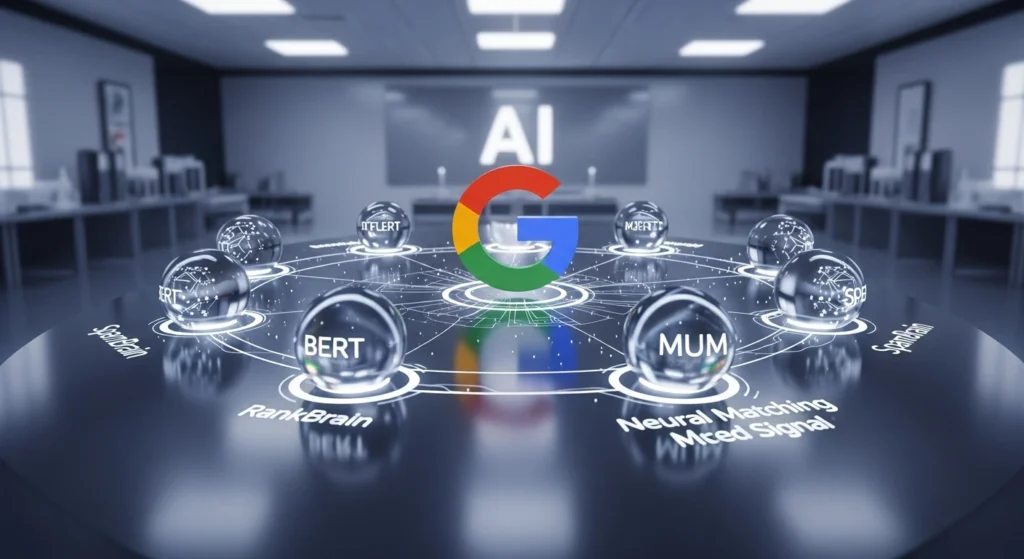
Search Engine Predictions Will Google Use More AI Models for Ranking? The search landscape is moving faster than ever, and the question on every marketer’s mind is Will Google use more AI models for ranking in the coming years? If we look at the rise of Google’s AI, the consistent development of Large Language Models (LLMs) in search, and Google’s shift toward Google Search Generative Experience (SGE), the answer seems clear AI is reshaping SEO, and the transformation is only accelerating. As we move closer to the next era of search, it’s important to understand how AI based systems are evolving, what this means for organic rankings, and how businesses can adapt. In this blog, we’ll explore 7 SEO predictions for 2026, the 5 key factors to rank in AI search, and how local businesses should prepare through strategic Local SEO prediction insights. AI Overview How Search Is Changing Artificial intelligence is no longer just a background tool for Google, it’s the backbone of modern search. Over the last few years, Google has introduced, AI driven ranking signals Multimodal models like MUM Generative AI features in SGE AI based search engine modeling that evaluates content intent, quality, and authority This evolution is driven by Google’s focus on understanding search context at a deeper level. Traditional keyword matching is fading, and AI’s capability to understand meaning, user behavior, and relevance is taking center stage. With this shift, it’s safe to predict that Google AI ranking predictions will play a major role in future SEO strategies. 7 SEO Predictions for 2026 Here’s what SEO professionals should prepare for as AI takes over more of the ranking process: 1. Search Results Will Become Even More Personalized AI allows Google to tailor results based on search history, intent, and location. Two users searching for the same keyword may see completely different results and this will intensify by 2026. 2. Generative AI Will Dominate the Top of SERPs With Google generative AI search becoming more prominent, informational queries might be answered directly on the results page. Websites will need to optimize for SGE to ensure their content is cited. 3. E-E-A-T Remains Critical As AI models grow more sophisticated, Google will rely even more on signals of expertise, experience, authoritativeness, and trustworthiness to determine credible sources. 4. Smarter AI Models Will Judge Content First Google will use AI to evaluate tone, depth, originality, and experience. Thin or AI spammy content will lose visibility quickly. 5. Local SEO Will Evolve to Intent Based Ranking Based on emerging Local SEO prediction data, AI will better identify high quality local businesses by analyzing reviews, user behavior, and real world signals. 6. Video and Visual Search Will Become Essential With models like Gemini and multimodel processing, Google will prioritize mixed media content like text, images, and videos. 7. Search Will Become More Conversational LLMs and SGE point toward a future where users interact with search engines like they would with assistants, not just rely on keywords. Conversational SEO will become the norm. Google’s AI Will It Play a Larger Role in Ranking? Absolutely Google has made it clear that AI is foundational to the future of search. The rollout of features based on Large Language Models (LLMs) in search and the integration of SGE shows how deeply AI is influencing ranking systems. Here’s why AI will become even more central: AI Can Understand Content at Human Level Depth It can detect nuance, clarity, originality, and value things older algorithms struggled with. Google Gets Better at Matching Intent AI models help Google predict not just what users type, but what they mean. AI Helps Fight Spam Faster Google uses AI based models to detect manipulation, content duplication, and black hat SEO tactics. AI Supports Multi Step Reasoning The newest models allow Google to analyze complex topics and evaluate whether content truly answers a query. As Google continues to refine these systems, ranking will evolve toward a more human like understanding of content quality. 5 Key Factors to Rank in AI Search To stay competitive in an AI driven landscape, brands must optimize for these emerging ranking signals: 1. Helpful, Experience Based Content AI rewards content that feels human, personal, and trustworthy. First hand expertise is becoming a major ranking factor. 2. Deep Topical Coverage Create clusters, not random articles. AI models reward sites with strong topical authority. 3. Strong Local and Behavioral Signals Local businesses should focus on: High quality reviews accurate business data strong user engagement These feed directly into AI-powered local results. 4. Technical Excellence Fast loading times, clean architecture, and mobile optimization matters more than ever because AI evaluates performance as part of user experience. 5. Visibility Across Multiple Content Formats Google is moving toward multimodal search, so using diverse formats like text, video, images, and structured data helps you appear in more search features. AI-Based Search Engine Modeling. What This Means for Businesses AI based ranking models mean that SEO professionals must adapt to: conversational search patterns intent prediction Entity based optimization higher content quality standards structured data and schema integration user experience as a ranking engine Most importantly, businesses must think beyond traditional SEO and start focusing on AEO (Answer Engine Optimization), ensuring their content is optimized for AI’s conversational responses. Google Search Generative Experience (SGE). What to Expect Next SGE is one of the biggest indicators of where search is heading. As SGE expands, expect: More AI summaries above traditional organic results More emphasis on high quality sources cited in generative answers A growing need for brands to optimize content for AI training models In short, SGE is transforming the competition for visibility and businesses need to adapt quickly. Conclusion The question is “Will Google use more AI models for ranking?” Answer: Yes, AI will completely shape the future of search. From Google’s AI, to LLMs in search, to advancements in Google generative AI search, artificial intelligence is defining how content is ranked, displayed, and evaluated. As a result, businesses must adapt their


wordpress course
Blog

Want to Learn WordPress SEO? This Simple Guide Will Get You Ready

Want to Learn WordPress SEO? This Simple Guide Will Get You Ready Learn WordPress with SEO to increase website traffic right now. Search engine optimization makes your website easy to find, so it’s more than just a skill. Knowing SEO will give your WordPress site a significant advantage if you want to learn about digital marketing, manage a business, blog, or work as a freelancer. The good news is that you don’t have to be a tech expert to get started. It is easy to understand what WordPress SEO is, why it’s important, and what you need to know before you learn more or sign up for a WordPress with SEO course. What Is WordPress SEO? WordPress with SEO is the set of tools you can use to make your website easier for visitors to find on search engines like Google. WordPress has a structure that is already good for SEO, which makes it easier for beginners to optimize their sites without having to know a lot about technology. But SEO isn’t just about keywords.  Improving your site speed Writing helpful content Optimizing images Making your website mobile friendly Setting up essential SEO plugins Creating a proper site structure SEO is basically helping Google to understand your website by giving it a clear roadmap. When Google knows exactly what your site offers, it becomes much easier for it to send the right visitors your way. Why it’s important to learn WordPress SEO Here’s the reality, no matter how beautiful your website is, if people can’t find it, it doesn’t exist. Learning WordPress SEO helps you, 1. Get more organic traffic  2. Build authority in your niche 3. Increase conversions and sales 4. Save money Overall, SEO is a long term asset. Every improvement you make now benefits your site for years. Understanding the Basics Before joining Any WordPress SEO Course Before entering into an advanced SEO course, you should have clarity on a few foundational concepts. This will help you understand the modules faster and apply them more effectively. 1. On Page SEO This includes optimizing, Titles Headings Meta descriptions URLs Keywords Content structure It’s about making each page understandable and valuable to readers and search engines. 2. Technical SEO This is the “behind the scenes” work, such as, Improving site speed Fixing broken links Indexing Creating sitemaps Making your site mobile friendly WordPress makes this easier with plugins, but understanding the basics helps you troubleshoot issues. 3. Off Page SEO This includes external factors like, Backlinks Social signals Online reputation A course will teach you safe and effective ways to build authority. Before you learn advanced SEO techniques, you need to set up the fundamentals. Plugins simplify SEO for beginners. If you’re preparing to learn WordPress SEO, install at least one of these, 1. Rank Math Great for beginners and offers a built in setup wizard. 2. Yoast SEO One of the most popular plugins with simple on-page suggestions. 3. All in One SEO  Perfect for those who want a clean and lightweight tool. A good course will explain how to use these tools properly, but knowing their names helps you start early. Learn How to Do Keyword Research Before creating content, you need to understand what people are searching for. Keyword research helps you discover, What questions your audience is asking How difficult it is to rank for a keyword Which keywords can bring fast results Local or geo specific terms if you target a region (e.g., “seo services in texas”) Free tools you can explore, Google Keyword Planner AnswerThePublic Ubersuggest Google Search Bar  Ex: Target long tail keywords like “best WordPress SEO tips for beginners” because they’re easier to rank for. Create High Quality, Humanized Content Google wants useful content not keyword stuffing. Here’s how to create content that ranks and feels human, Write naturally, like speaking to a friend Focus on solving the user’s problem Use short paragraphs for readability Add images or screenshots when possible Include real examples or personal insights SEO works best when your content genuinely helps people. Make Your WordPress Site Fast and Mobile Friendly Site speed is a major ranking factor. Even a slow one second delay can reduce conversions. To boost speed, Install a caching plugin Compress images using plugins like Smush Use a lightweight theme Avoid unnecessary plugins Choose good hosting A course will dive deeper into this, but starting early gives you a head start. Understand GEO Focused SEO If you want to attract visitors from a specific location, city, country, or region you’ll need GEO SEO. GEO friendly SEO includes, Adding location based keywords Creating a Google Business Profile Adding NAP (Name, Address, Phone) consistency Embedding location maps Writing content around local search intent Ex: Instead of “Best SEO expert,” use “Best SEO expert in New York”. What to Expect When You Join a WordPress SEO Course A good SEO course should teach you, Complete keyword research On page optimization Technical SEO essentials Backlink building Local SEO Using SEO plugins Measuring results with Google Analytics & Search Console After the course, you’ll be able to optimize your own website confidently and help others too. Conclusion Learning WordPress SEO is one of the smartest moves you can make. It’s beginner friendly, powerful, and essential for long term online growth. Whether you choose a course or self learn, the steps you take today will bring results tomorrow. FAQs 1. What is WordPress SEO? WordPress SEO is the process of optimizing a WordPress website to improve search engine rankings. It includes onpage SEO, technical SEO, content optimization, and using SEO plugins to help search engines understand your site better. 2. Is WordPress good for SEO? Yes, WordPress is highly SEO friendly. It offers clean code, customizable permalinks, fast performance options, and powerful SEO plugins like Yoast SEO and Rank Math that make optimization easier for beginners. 3. How do beginners start learning WordPress SEO? Beginners can start by learning basic SEO concepts, setting up SEO plugins, optimizing page titles

cybersecurity course
Blog

The Rising Demand for Cyber Security Professionals Worldwide

The Rising Demand for Cyber Security Professionals Worldwide Digital platforms power almost everything in today’s highly connected world, including banking, healthcare, education, retail, logistics, and even government operations.  Organisations all over the world are being forced to bolster their digital defences due to an unprecedented increase in cyber threats brought on by this growing reliance on technology.  Because of this, the need for cyber security professionals has increased dramatically, making cyber security one of the most satisfying and rapidly expanding career paths of the decade. Everyone makes major investments in digital safety, from startups to large corporations.  Millions of people are now able to investigate a secure, satisfying, and future-proof career in cyber security thanks to this global shift.  In this blog, we examine the reasons behind the surge in demand for cybersecurity positions, as well as how prospective students can secure a solid future in this industry. Understanding the Global Cybersecurity Boom Businesses across the world have become digital at a rapid pace recently.  Cloud adoption, digital customer data, online transactions, remote work, and automated systems are now commonplace.  Convenience and productivity have increased as a result, but hackers now have a greater attack surface. The demand in cybersecurity has been slowly increasing year after year due to this digital shift.  Industry reports state that a lack of qualified workers has left millions of cyber security jobs unfilled worldwide. There are more job openings than qualified candidates due to this talent gap, which is uncommon in other industries. As technology spans the globe, this presents an internationally compatible career path. Opportunities exist across every nation, local, and sector. Cyber security experts are keenly sought after worldwide, regardless of whether one resides in Asia, Europe, the Middle East, Africa, or the Americas. The Rise of Cybercrime The rise of cybercrime is one of the main reasons for this demand. Hackers are more skilled, have more money, and are harder to find now than they used to be. Attacks aren’t just simple viruses anymore. They also include ransomware, data breaches, phishing scams, DDoS attacks, identity theft, and big financial fraud. Some key reasons cybercrime is rising include: Increased use of cloud platforms Higher dependency on mobile devices Lack of cybersecurity awareness among individuals and small businesses Growth of online payments and digital wallets Weak passwords and poor security practices Organized cybercrime networks This surge in attacks has forced organizations to prioritize digital security, making cybersecurity one of the top investments for CEOs and IT leaders worldwide. Why Cyber Security Professionals Are in High Demand With cybercrime growing in complexity, companies have an immediate need for specialists capable of safeguarding their information, networks, and online foundations. Consequently, this has fueled a rise in the requirement for cybersecurity talent throughout all key sectors. Here’s why companies are hiring aggressively: 1. Every business is going digital From small local shops to global brands, every organization now uses digital tools and that digital tools must be protected. 2. Shortage of skilled professionals There simply aren’t enough trained cyber security experts to fill all the openings. 3. High financial losses from cyberattacks Companies lose millions due to data breaches, so investing in skilled security teams saves money. 4. Increased legal and compliance requirements Governments now mandate strict data protection laws, pushing companies to hire cybersecurity specialists. 5. Rapid expansion of cloud and AI systems More technologies mean more vulnerabilities, requiring trained experts to secure them. This combination of global demand, skill shortage, and rising risks has made cyber security a golden opportunity for career seekers. Cyber Security Career Opportunities Available Today One of the most attractive aspects of this field is the variety of career paths available. Depending on skills and interests, professionals can choose from roles such as: Cyber Security Analyst Ethical Hacker / Penetration Tester Network Security Engineer Incident Response Specialist Security Operations Center (SOC) Analyst Cloud Security Specialist Malware Analyst Cyber Forensics Expert Information Security Manager These roles exist across technology firms, banks, hospitals, government agencies, telecom companies, educational institutions, and more. No matter the region or industry, businesses are hiring cybersecurity talent at record levels. Attractive Cyber Security Salary Packages A major reason people switch to cybersecurity is the salary. Because talent is limited and demand is massive, Cyber Security salary packages are significantly higher than many other IT roles. While salaries vary by country, region, experience, and company size, cybersecurity professionals generally earn, Higher starting salaries Faster promotions More opportunities to work internationally Specialized bonuses for critical security roles This makes cyber security one of the most financially rewarding tech careers worldwide. Why Cyber Security Is a Future Proof Career Cyber security is not a passing trend, it is a lifetime need. As technology evolves, so will the nature of threats. That means companies will always require skilled professionals to protect their systems. AI and automation still require human security oversight Digital transformation is accelerating globally Cybercrime will continue to grow Organizations must comply with strict global data protection laws Every new technology introduces new vulnerabilities In short, cyber security professionals will remain essential for decades to come. How a Cyber Security Course Can Help You Start Your Career Many beginners wonder how to enter this field, especially if they don’t have prior experience. The good news is that a well structured Cyber Security course can help anyone learn the skills required to start a promising career. A good course typically covers: Basics of networking & operating systems Ethical hacking techniques Cyber laws and compliance Vulnerability assessment and penetration testing Incident response and threat detection Hands on tools used by professionals Real time labs and project-based learning With the right training, even freshers or career switchers can break into the industry, secure high paying jobs, and build strong global careers. Conclusion Every day, the world becomes more digital, and with that comes the duty to keep people, systems, and data safe. This trend that can’t be stopped is what is driving the demand for cybersecurity around the world, and the

AI in neuromarketing
Blog

Neuro Marketing + AI Understanding Customer Emotions with Technology

Neuro Marketing + AI Understanding Customer Emotions with Technology As our digital world keeps moving on, businesses can’t rely on traditional marketing alone to connect with people. Customers don’t just buy a product they buy emotions, experiences, and trust. This is where Neuromarketing and AI are transforming how brands understand people at a deeper, psychological level. By combining the science of the brain with the power of artificial intelligence, companies can decode what customers feel, not just what they say. And in a competitive, technology driven market like India, this fusion is becoming a game changer. What Is Neuromarketing and Why Is It Growing? Neuromarketing combines psychology, neuroscience, and behavioral analysis to understand how customers respond emotionally to ads, products, packaging, branding, and digital experiences. Instead of guessing what people like, neuromarketing tracks real, unconscious reactions, eye movements, facial expressions, tone changes, heart rate spikes, and emotional triggers. This helps companies answer questions like: Why do customers prefer one brand over another? What emotions make them click “Buy Now”? Which color, message, or layout captures instant attention? What emotional moments throughout a customer journey influence decisions? In the digital age, understanding these insights is essential. People scroll fast, judge instantly, and expect brands to connect on a personal level. That’s why Neuro marketing in the digital age has become one of the most powerful tools for creating meaningful customer experiences. How AI Functions in Neuromarketing AI takes neuromarketing to the next level by automating emotional analysis, recognizing behavioral patterns, and processing large volumes of customer data with accuracy. Instead of relying on manual interpretations, AI tools read emotional signals in real time. Here’s how AI works inside the neuromarketing ecosystem: 1. AI Reads Human Emotions Through Data Using algorithms, AI scans micro expressions, voice tone, click behavior, or even brainwave patterns. This helps in Evaluating consumer emotions with scientific precision. 2. Helps Brands Predict What Customers Will Feel AI learns emotional patterns of stress, excitement, curiosity, fear of missing out, and satisfaction. This helps brands craft campaigns that truly resonate. 3. Improves Marketing Personalization AI in neuromarketing allows businesses to deliver highly targeted content based on emotional responses boosting conversions without being intrusive. 4. Aligns Product Experience With Real Emotions Whether it’s an app, website, or video ad, AI tools highlight the exact points where customers feel frustrated, happy, or confused. This creates a foundation for AI marketing psychology that improves customer satisfaction. Why Understanding Consumer Emotions Matters More Than Ever Today, consumers make emotional decisions first and rational decisions later. A brand that understands and respects emotional patterns wins trust faster. Here’s why emotional analysis is crucial: Emotions drive 70%–80% of buying decisions. Emotional ads outperform logical ads. Customers remember feelings more than features. Emotional loyalty leads to long-term retention. By mastering understanding consumer emotions, brands can improve their storytelling, refine their messaging, and create digital experiences that feel natural, comforting, and relatable. The Role of Neuromarketing and AI in the Digital Age Digital consumers are unpredictable. Their preferences shift quickly, influenced by trends, social media, and constant information. Because of this, brands can no longer rely purely on surveys or assumptions. Here’s how Neuromarketing and AI reshape modern marketing: 1. Real-Time Customer Emotion Analysis AI-powered systems can track how customers emotionally respond to content as they scroll, swipe, or watch. This level of customer emotion analysis makes marketing more accurate and human-centered. 2. Smarter Ad Creation AI learns which emotional triggers improve engagement hope, excitement, trust, curiosity, humor, or empathy. Brands can use this data to design high-performing video ads, banners, and product descriptions. 3. Better Website & App Experience Neuromarketing tools identify friction points: Which section confuses users? Where do they hesitate? Which button placement feels natural? Fixing these emotions driven friction points boosts conversions. 4. Emotion-Based Personalization Instead of generic recommendations, AI provides emotion-sensitive suggestions like: “Comfort-based choices” “Motivation-driven content” “Stress relief product bundles” Customers feel understood, not targeted. The Humanized Side of AI Neuromarketing One fear people have is that AI makes marketing “robotic.” But the truth is the opposite. Neuromarketing helps brands become more human by understanding real emotional needs. A humanized approach includes: Respecting customer boundaries Using emotion insights to help, not manipulate Creating products that genuinely solve problems Making digital experiences effortless and enjoyable When AI and neuromarketing are used ethically, they build deeper emotional loyalty and brand trust. Benefits of Using AI in Neuromarketing  Better Customer Understanding You learn why customers behave a certain way, not just how.  More Accurate Marketing Strategies Emotion-based decisions are stronger than guesswork.  Higher Conversion Rates When brand messages match emotional needs, sales increase naturally.  Reduced Marketing Waste No more spending money on ads that don’t emotionally connect.  Enhanced Customer Loyalty Emotionally connected customers remain loyal and recommend the brand. Where Can Businesses Use Neuromarketing + AI? 1. Digital Advertising Campaigns Predict which content will emotionally attract your audience. 2. Website & App Optimization Improve UX based on emotional reactions. 3. Product Packaging Understand which colors, shapes, and layouts evoke positive responses. 4. Brand Storytelling Craft stories that emotionally resonate with customers. 5. Social Media Engagement Create content that feels relatable, empowering, or inspiring. Future of Neuromarketing and AI As AI evolves, emotional intelligence in marketing will become even more powerful. Future tools may decode deeper emotional layers, predict buying patterns, and help brands connect at a human, psychological level. The future of marketing belongs to brands that understand the emotional pulse of their audience and deliver value with empathy, creativity, and technology. Conclusion Neuro Marketing + AI is not just a trend, it’s the future of customer centered marketing. By combining neuroscience, psychology, and artificial intelligence, brands can create meaningful emotional experiences that customers remember and trust. From Evaluating consumer emotions to building emotionally intelligent campaigns, AI in neuromarketing gives businesses a new advantage, one that feels personal, intuitive, and deeply human. If brands want to stay relevant in the digital age, understanding consumer emotions through AI driven neuromarketing is the smartest move forward.

Scroll to Top